
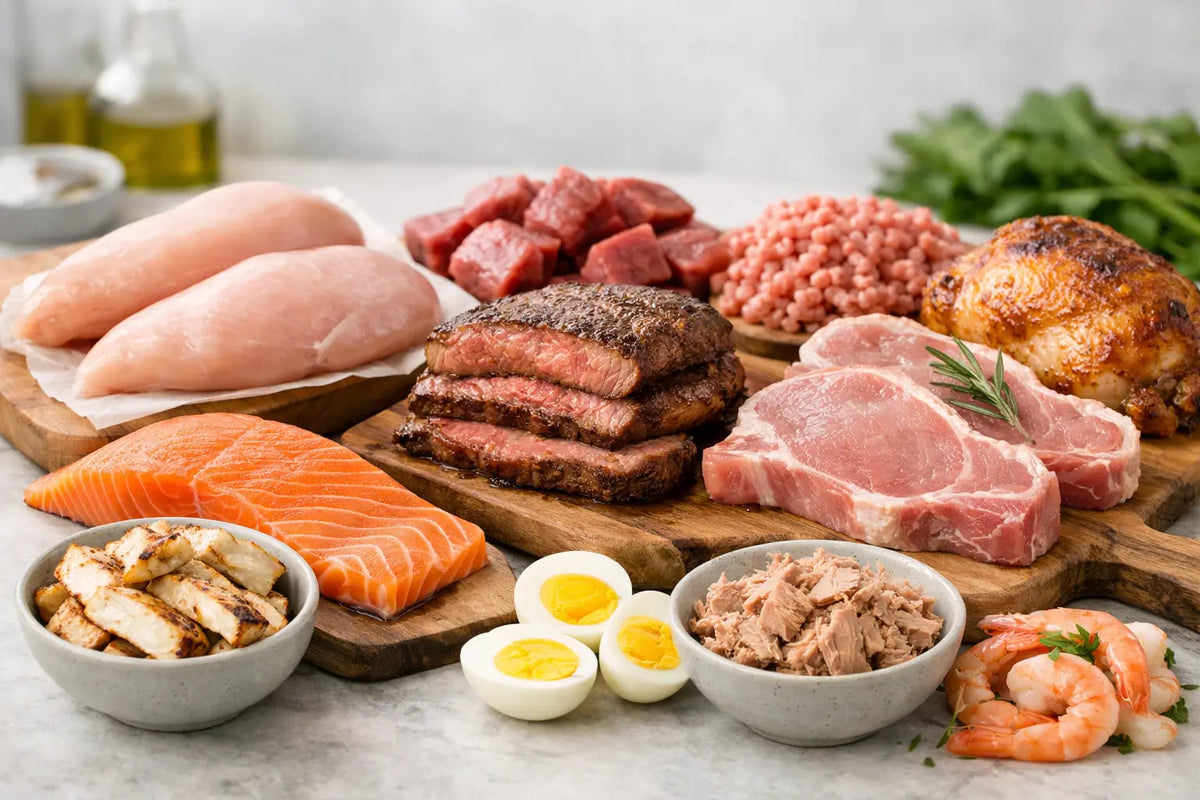
A good meal prep fridge has two jobs to do. It needs to make busy weekdays easier, and it needs to give you meals you still want to eat on day three or four. That is why choosing the best meats for meal prep matters more than most people think. The right cut keeps its flavour, reheats well, and gives you proper value for money rather than leaving you with dry chicken or chewy beef by midweek.
At a butcher’s counter, there is usually a better answer than simply grabbing the cheapest pack on the shelf. Some meats are naturally better for batch cooking. Others work best if you choose the right cut, portion them properly and cook them with reheating in mind. If you are prepping lunches for work, stocking the freezer for family dinners, or putting together high-protein meals for the gym, a little planning goes a long way.
What makes the best meats for meal prep?
Meal prep meat needs to do more than taste good on the day you cook it. It should hold its texture after chilling, stay enjoyable when reheated, and suit a few different dishes so you are not eating the same plate five times in a row.
That usually means looking for cuts with a balance of flavour and practicality. Very lean meat can be excellent for protein goals, but it can also dry out faster if overcooked. Slightly fattier cuts often reheat better and feel more satisfying, though they may not suit every diet. There is no single perfect choice for everyone. The best option depends on whether you want low-fat lunches, hearty family dinners, freezer-friendly portions or the lowest cost per serving.
Chicken breast and chicken thigh
Chicken is often first on the list of best meats for meal prep, and for good reason. It is versatile, familiar and easy to portion. Chicken breast is the obvious choice for lean eating. It works well in rice boxes, pasta dishes, wraps and salads, and it takes on marinades and seasoning easily.
The trade-off is that breast can dry out if it is cooked a touch too long. For meal prep, that matters. Slightly under rather than over, then cool quickly and store properly. Slicing after resting also helps keep the juices where they should be.
Chicken thighs are often the better choice if flavour and reheating matter most. They stay tender longer, cope better with sauces, and are harder to ruin. For curries, traybakes and slow-cooked dishes, thigh meat usually gives a better result over several days than breast. If you are feeding a family and want something dependable, thighs are hard to beat.
Turkey for lean, high-protein meals
Turkey is one of the most underrated options for batch cooking. It is lean, mild in flavour and easy to use in everyday meals without feeling heavy. Turkey breast is especially useful for people who want high protein with lower fat, whether that is for weekday lunches or gym-focused meal prep.
It works well in sliced portions with potatoes and greens, in stir-fries, or cooked off and folded into pasta bakes. Like chicken breast, turkey needs a bit of care not to dry out. A proper butcher can help by preparing the cut to suit what you are making, whether that is diced, minced or left whole for roasting and slicing.
Turkey mince is also worth considering. It is a practical base for meatballs, burgers, chilli and bolognese, and it tends to feel lighter than beef while still being satisfying.
Beef mince for flexibility and value
If you want one of the most useful meats in the fridge or freezer, beef mince is right up there. It gives you plenty of options without much fuss. You can turn it into cottage pie, chilli, meatballs, burgers, stuffed peppers or a rich pasta sauce, all from the same starting point.
For meal prep, mince works because it reheats reliably and takes seasoning well. It is also easy to cook in larger batches. The main choice is fat level. Leaner mince suits lighter meals, while a bit more fat usually brings better flavour. For dishes with sauce, that extra richness can make a noticeable difference by the second or third day.
It is also one of the easier ways to feed a household well without overspending. A well-made mince dish can stretch across several portions, and it freezes without much trouble. That makes it a sensible staple for busy families.
Diced beef and slow-cooking cuts
Not every meal prep dish needs to be quick. In fact, some of the best ones come from slower cooking. Diced beef, chuck and braising cuts can be excellent if you want deep flavour and meals that improve after a day in the fridge.
These cuts are ideal for stews, casseroles and slow-cooked beef dishes. Once cooked properly, they hold up brilliantly and often taste even better reheated. That makes them perfect for colder months, larger family portions and freezer cooking.
The downside is time. You need to give these cuts the cooking they deserve. But once that is done, the reward is a dish that feels far more generous and satisfying than something rushed. If your idea of meal prep is a proper evening meal ready to warm through after work, slow-cooked beef deserves a place on the list.
Pork loin, pork shoulder and pork mince
Pork is often overlooked in meal prep, which is a shame because it can be very practical. Pork loin gives you leaner slices for roast dinners, sandwiches and rice dishes. Cooked carefully, it is tidy, versatile and good value.
Pork shoulder sits at the other end of the scale. It is richer, better suited to slower cooking, and ideal for pulled pork, trays of tacos, loaded jackets or hearty bowls with rice and slaw. For reheating and freezing, shoulder tends to be more forgiving than loin because the extra fat keeps it tender.
Pork mince is another strong option. It is excellent in meatballs, dumpling fillings, noodles and savoury rice dishes. If you are tired of making the same beef mince recipes every week, pork can freshen things up without making your prep more complicated.
Lamb when you want flavour that lasts
Lamb may not be an every-week meal prep meat for every household, but it has advantages. It carries flavour exceptionally well, stands up to bold herbs and spices, and can turn a simple batch-cooked meal into something far more interesting.
Lamb mince works especially well for koftas, meatballs, shepherd’s pie and spiced grain bowls. It reheats nicely and does not lose its character. Diced lamb can also be excellent in slow-cooked dishes where you want something warming and substantial.
The main consideration is cost. Lamb is usually more of a treat than chicken or mince-led prep. But used well, it can be worth it, especially if you prefer fewer, better meals over a fridge full of bland ones.
Bacon and sausages as supporting players
Bacon and sausages are not usually the centre of a serious meal prep plan, but they can be very useful. Bacon adds flavour to pasta bakes, breakfast muffins, potato dishes and soups. A little goes a long way, which makes it practical for adding interest to simple meals.
Sausages are handy for traybakes, casseroles and portioned breakfast prep. Good sausages from a proper butcher also tend to give you a better texture and fuller flavour than many standard supermarket packs. The thing to watch is balance. They are brilliant for variety, but probably not what you want for every single lunch if your goal is lean eating.
How to choose the right meat for your routine
The best choice depends on the kind of meal prep you actually do, not the kind you mean to do. If you prep quick lunches, chicken breast, turkey and lean mince make sense. If you want dinners that feel homemade after a long day, chicken thighs, slow-cooked beef and pork shoulder usually perform better.
It also helps to think in terms of repetition. If you are happy eating similar lunches through the week, buying in bulk can make excellent sense. If you get bored easily, choose one or two base meats that can be turned into different meals with sauces, sides and seasoning.
Quality matters here too. Fresh, well-prepared meat gives you a better starting point and usually a better result after a few days in the fridge. That is one reason many families still prefer buying from a local butcher. You can ask for the right quantity, the right cut and the right advice, rather than making do with whatever happens to be pre-packed.
A few practical tips that make meal prep meat better
Cooked meat should be cooled promptly, portioned properly and stored in sealed containers. That sounds basic, but it makes a real difference to freshness. Reheat only what you need, and avoid repeatedly warming and cooling the same portion.
It is also worth matching the cut to the cooking method. Lean cuts suit quick cooking and gentle reheating. Richer cuts reward slower cooking and hold up better in saucy dishes. If you are freezing meals, label them clearly and freeze in practical portions so you are not defrosting more than you need.
At Reed’s Family Butchers, that sort of practical thinking is part of the service. A good butcher should help you choose meat that suits your week, your budget and the way your household actually eats.
Meal prep works best when it feels like a help rather than a chore. Pick meats that reheat well, taste good, and fit the meals you genuinely enjoy, and the whole routine becomes far easier to stick with.

Share:
Fresh Turkey Crown Delivery Made Simple
Is a Monthly Meat Subscription Box Worth It?