
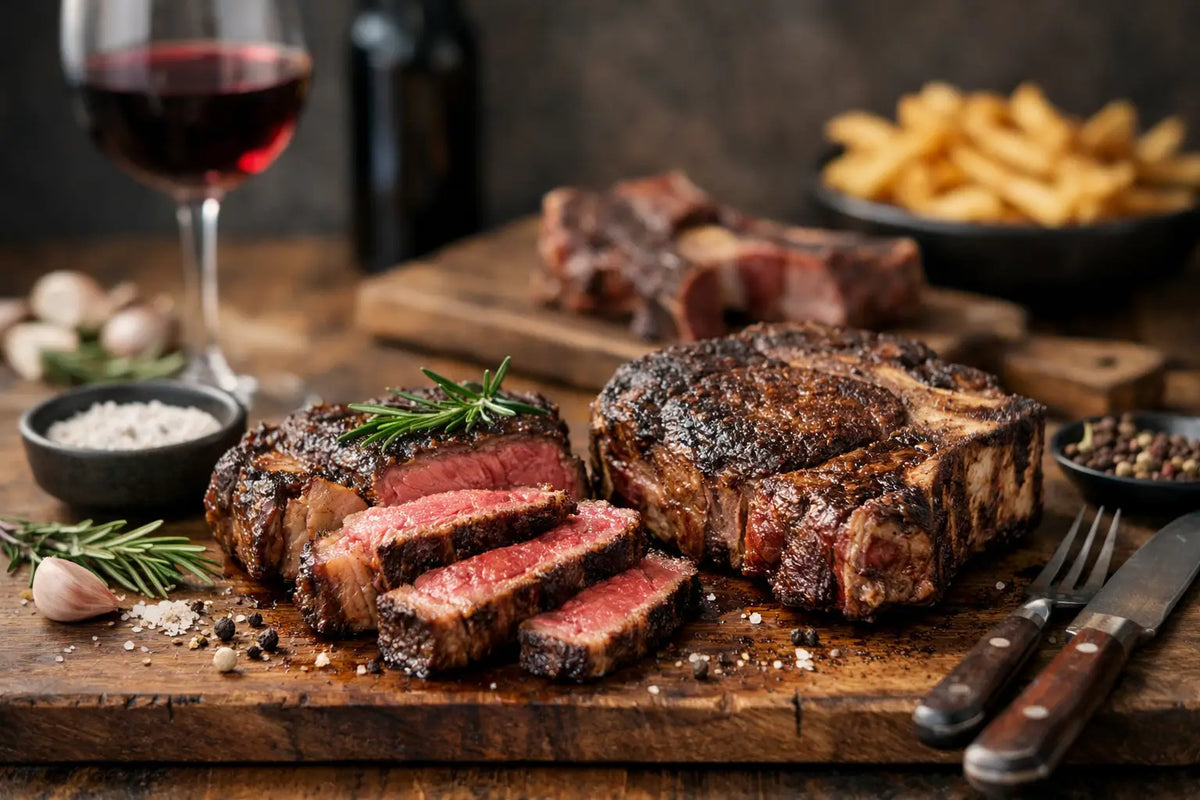
When you put a dry aged steak in the pan, you know about it straight away. The smell is richer, the crust forms better, and the flavour has far more depth than an ordinary steak picked up as an afterthought. For anyone searching for dry aged steaks Essex shoppers can rely on, the real question is not just where to buy them. It is how to spot proper quality, which cut suits your table, and how to cook it well enough to do it justice.
A dry aged steak is still simply beef, but it has been given time - and time matters. During dry ageing, the beef is kept in carefully controlled conditions so moisture slowly reduces and natural enzymes gently work on the meat. That does two things. It concentrates flavour and helps improve tenderness. You end up with a steak that tastes fuller, deeper and more savoury, with a firmer texture before cooking and a more satisfying bite once it is rested and sliced.
That is why dry aged beef has such a loyal following. It is not a fad and it is not just restaurant language. When it is done properly, the difference is there on the plate.
What makes dry aged steaks Essex customers worth buying?
Not all steaks are equal, and not all dry aged beef is handled with the same care. Good dry ageing starts with the right beef in the first place. If the raw product is poor, ageing will not magically fix it. A proper butcher looks at breed, fat cover, marbling and the suitability of the cut before the ageing process even begins.
The ageing itself needs control. Temperature, humidity and airflow all have to be kept steady. Too little care and the beef will not develop properly. Too much moisture loss and the steak can become wasteful and overly expensive for little extra benefit. The sweet spot depends on the cut and on what sort of flavour you enjoy. Some people want a clean, rich beef taste with a little extra maturity. Others like a stronger, more nutty character.
This is where a knowledgeable local butcher is worth his salt. You can ask what has been aged, for how long, and which cut will suit your plans. If it is a Friday night steak for two, you may want something quick and reliable. If you are cooking for guests, you might prefer a thicker cut with a bit more presence.
Best cuts for dry aged steak
The most popular dry aged steaks tend to be ribeye, sirloin and fillet, though each gives you a different eating experience.
Ribeye is the favourite for many households because the marbling does so much of the hard work. The fat bastes the meat as it cooks, which helps carry all that concentrated dry aged flavour. If you like a steak that feels generous and full of character, ribeye is hard to beat.
Sirloin gives a slightly firmer bite and a very good balance between tenderness and flavour. It is often the cut people come back to because it feels like a proper steakhouse choice without being fussy. For a family meal or a weekend treat, sirloin is a strong all-rounder.
Fillet is the tenderest option, but that softness comes with a trade-off. It is more delicate in flavour than ribeye or sirloin, so some people feel dry ageing is less dramatic on fillet. Others love it because it stays refined and buttery while gaining a little extra depth. It depends what matters more to you - outright tenderness or a bolder beef flavour.
If you are unsure, say how you like your steak rather than asking for the most expensive cut. A good butcher will usually guide you better from there.
How long should dry aged steaks be aged?
There is no single perfect number. Around the three to four week mark, many steaks start to show the clear benefits of dry ageing without becoming too intense for the average home cook. You get improved tenderness and a richer flavour, but still something familiar and approachable.
Go longer and the taste can become more pronounced. Some steak lovers enjoy that stronger, slightly nutty note. Others find it a touch too far, especially if they want the beef to please everyone around the table. For most families, moderate ageing is often the safest and most satisfying choice.
That is one of the practical advantages of buying from an experienced butcher rather than guessing from a label alone. You can match the steak to the occasion instead of buying on buzzwords.
Buying dry aged steaks in Essex without wasting money
A dry aged steak will usually cost more than a standard steak, and there is a fair reason for that. There is extra time, extra handling and natural weight loss during ageing. But paying more only makes sense if the quality is there.
Look for steaks with good colour, proper trimming and sensible thickness. A steak that is too thin is much harder to cook well, especially when you have paid for dry aged beef and want a good crust without overdoing the middle. Thicker steaks are usually more forgiving at home.
It also pays to think about portion size honestly. A large ribeye for sharing can offer better value than several smaller steaks, especially if you are serving chips, mushrooms, tomatoes or a fresh salad alongside. On the other hand, if you know exactly what each person likes, individual sirloins may make life easier.
For households in Essex, convenience matters too. If you are juggling work, school runs and weekend plans, being able to order properly prepared meat from a trusted local butcher makes the whole thing far more realistic. Quality only helps if it fits real life.
How to cook dry aged steaks Essex butchers would be proud of
The biggest mistake with a good steak is treating it like any other bit of frying meat. Dry aged beef deserves a little patience, though not endless fuss.
First, take the steak out of the fridge in good time so it is not fridge-cold in the centre. Pat it dry. That step helps with browning. Season generously with salt and a little pepper just before cooking, or salt a bit earlier if you prefer. Then get your pan very hot. A heavy frying pan or griddle works well.
Once the steak goes in, leave it alone long enough to build colour. Constant turning and pressing only works against you. When a proper crust has formed, turn it and cook the second side. If the steak is thick, finish with a little gentler heat or a short time in the oven.
Butter, garlic and herbs can be lovely, but they are not compulsory. With dry aged beef, the flavour is already doing plenty. Sometimes salt, heat and a proper rest are all you need.
Resting matters more than many people think. Give the steak a few minutes before serving so the juices settle back through the meat. Cut too early and much of that ends up on the board rather than on the plate.
Why local knowledge matters with dry aged steaks
When people buy steak from a proper butcher, they are not only paying for meat. They are paying for judgement. That means being told when a ribeye will suit better than a fillet, when a thicker sirloin is worth the extra money, or when a family barbecue really needs something different altogether.
That advice is especially useful if you are cooking for mixed tastes. Some want rare, some medium, some like leaner cuts, and some want the richest steak going. A local butcher who serves Essex households every week understands those practical decisions better than a generic shelf label ever will.
At Reed’s Family Butchers in Corringham, that straightforward approach matters. People want honest prices, properly prepared cuts and the confidence that their steak will arrive fresh and ready to cook. There is no mystery in that. Just the sort of service a family butcher should provide.
Dry aged steak at home versus restaurant steak
There is a common idea that dry aged steak is best left to restaurants. Sometimes that is true if you want someone else to do the work and the washing up. But cooking it at home has its own strengths.
You control the pan, the timing and the doneness. You can serve it exactly with what your family likes, whether that is chunky chips, peppercorn sauce, onion rings or simply some buttered greens. You also tend to get better value from a butcher-bought steak than from ordering the same quality in a restaurant setting.
The trade-off is that you need to pay attention. A dry aged steak is not difficult to cook, but it does reward care. If you rush it, use a weak pan or skip the resting, you will notice the difference.
A good steak should feel like a treat, but not an intimidating one. Buy a cut that suits your budget, ask a butcher you trust for guidance, and keep the cooking simple. When the beef is right to begin with, the rest is mostly common sense and a bit of confidence. That is usually what turns a decent steak dinner into one your family asks for again next week.

Share:
Lean Protein Meat Packs That Make Sense
Homemade Sausages Essex Families Rate