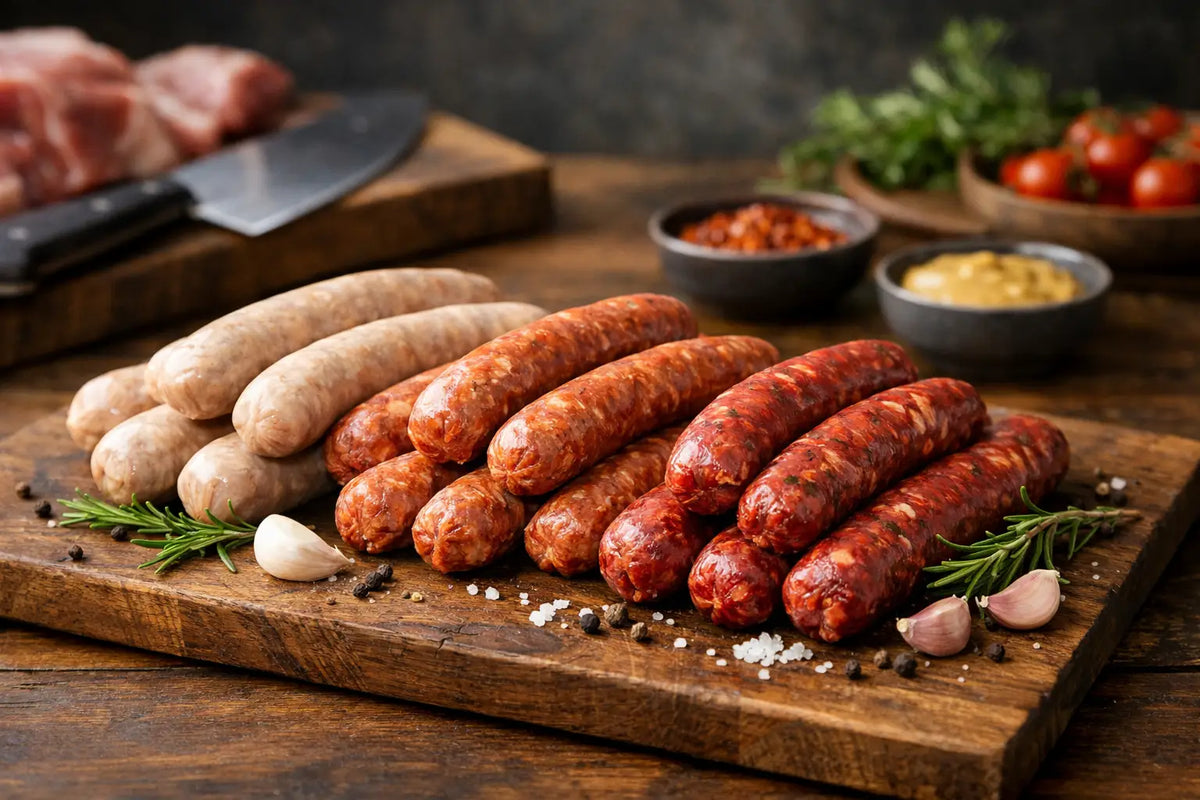
You can tell a good sausage before it ever hits the pan. It holds its shape, browns properly, and smells like seasoned meat rather than filler. That is the difference with butcher sausages. They are made to be cooked and enjoyed, not just stacked on a shelf and forgotten about until tea time.
For plenty of households, sausages are one of the easiest things to buy without thinking. That is exactly why quality varies so much. On the surface, one pack can look much like another, but the eating experience is often very different. When sausages are made properly, with decent meat, balanced seasoning and fresh preparation, they become far more than a quick midweek standby.
Why butcher sausages stand out
The biggest difference usually starts with meat content. Butcher sausages are generally made with a higher proportion of proper cuts and far less bulked-out filler. That gives you a firmer texture, better flavour and less of that soft, overly processed feel that puts many people off cheaper sausages.
Freshness matters too. In a traditional butcher’s shop, sausages are often prepared regularly in smaller batches rather than produced on a huge industrial scale. That means closer attention to consistency, seasoning and overall quality. If something needs adjusting, it can be adjusted. If customers prefer a certain flavour or style, that can be reflected in what is made.
There is also the simple matter of trust. When you buy from a proper butcher, you know there are real standards behind the counter. The product has to earn repeat custom. Families coming back week after week are not interested in clever packaging. They want sausages that cook well, taste good and offer fair value.
What to look for when buying butcher sausages
Not every sausage suits every meal, so it helps to know what separates one style from another. Meat content is the obvious place to start, but it is not the only thing that matters. Fat level, seasoning and grind all play a part.
A good everyday pork sausage should have enough fat to stay juicy, but not so much that it leaks excessively in the pan or shrinks to half its size. The texture should feel meaty rather than rubbery. Seasoning should support the pork, not bury it. If herbs, pepper or a touch of spice are used, they should be noticeable without turning the sausage into something else entirely.
The casing matters as well. A proper sausage casing gives that familiar bite and helps the sausage hold its shape during cooking. It is a small detail, but one that affects the final result more than many people realise.
If you are buying for children or fussier eaters, a classic sausage with gentle seasoning is usually the safest choice. If you are cooking for a weekend breakfast, a fuller-flavoured option with a bit more pepper or herb can hold its own alongside bacon and eggs. For casseroles, tray bakes or pasta dishes, a sausage with a strong pork flavour tends to work best because it keeps its character once sliced and cooked into the sauce.
Butcher sausages versus supermarket sausages
This is where it helps to be honest. Supermarket sausages are not all poor, and some are perfectly decent for the money. But there is often a trade-off. To hit lower price points and longer shelf life, mass-produced sausages may rely more heavily on water, rusk and other fillers. That can leave you with a sausage that browns quickly on the outside but lacks proper depth and texture inside.
Butcher sausages are usually better balanced. You are paying for meat, craftsmanship and freshness rather than heavy processing and marketing. That does not always mean they are dramatically more expensive, either. In many cases, the value is better because they lose less water, shrink less in cooking and actually satisfy people at the table.
It also comes down to choice. A supermarket range often has to appeal to everyone at once. A butcher can offer more practical variety - traditional pork sausages for the family, thicker sausages for breakfasts, flavoured options for barbecue season, and leaner choices for shoppers who are watching fat intake but still want something that tastes like proper food.
Best ways to cook butcher sausages
Good sausages deserve patient cooking. The aim is simple: colour on the outside, juicy in the middle, and no split skins from blasting them with too much heat.
Frying works well if you keep the heat moderate and turn them regularly. This gives the casing time to brown evenly while the centre cooks through properly. Grilling is also a strong option, especially for breakfast or lighter meals, but again, high heat can catch them too quickly.
Oven cooking is often the easiest method for family meals. It is tidy, reliable and ideal when you are cooking a full tray of sausages, onions and vegetables together. For barbecue use, thicker sausages need particular care. They benefit from being cooked over a gentler part of the grill first, then finished over higher heat for colour.
One point worth remembering is that better sausages often behave differently in the pan. Because they contain more real meat and less excess water, they may not puff up in the same way as heavily processed ones. That is a good sign, not a bad one.
Meal ideas that make the most of butcher sausages
One reason sausages remain so popular is their flexibility. They fit just as easily into a quick Tuesday tea as they do into a proper weekend breakfast.
For an easy family meal, sausages with mash and onion gravy are hard to beat. If you want something with very little fuss, a sausage tray bake with potatoes, carrots and red onions does the job with hardly any washing up. Sausages also work brilliantly in pasta with a tomato sauce, where the meat adds far more flavour than minced alternatives can at times.
During colder months, they earn their place in casseroles and toad in the hole. In warmer weather, they are one of the first things people reach for when the barbecue comes out. It is also worth keeping a pack in the fridge for quick lunches and simple suppers. A decent sausage in a crusty roll with fried onions does not need much dressing up.
Choosing the right sausages for your household
There is no single best sausage for everyone. It depends on who you are feeding and how you cook.
If you are feeding a family and want something versatile, traditional pork sausages are the safest all-rounder. They suit breakfast, lunch and dinner, and they tend to please most age groups. If you are stocking the freezer, look for sausages that portion well and can move easily from freezer to fridge without losing quality.
For summer entertaining, thicker barbecue sausages usually give a better result than very thin ones, which can dry out quickly. If you are a gym-goer or simply trying to eat more carefully, ask about leaner sausage options rather than assuming all sausages are the same. A proper butcher can usually point you towards choices that fit your routine without sacrificing flavour.
This is one of the advantages of shopping with a local specialist. In a family-run business such as Reed’s Family Butchers, there is usually someone on hand who can tell you what works best for breakfast, batch cooking, barbecue season or freezer filling. That sort of advice is useful because it is based on what customers actually buy and cook at home.
Why local quality still matters
Buying from a butcher is not just about nostalgia. It is about getting food that has been prepared with care by people who know their trade. That matters even more with everyday products such as sausages, where corners are easy to cut and many shoppers have simply got used to lower standards.
When sausages are made properly, you notice it in the pan, on the plate and in the way people eat them. There is less waste, more flavour and a better sense that you have bought something worth serving to your family. For shoppers across Essex who want dependable quality without overcomplicating the weekly shop, that makes a real difference.
A good sausage is one of the simplest things a butcher sells, but it tells you a lot about the standards behind the counter. If the sausages are right, chances are the rest of the shop is too. Next time you are planning breakfasts, quick teas or a barbecue for the weekend, start there and you will taste the difference.

Share:
How to Freeze Meat Safely at Home
Why Fresh Meat Grays Need Care