
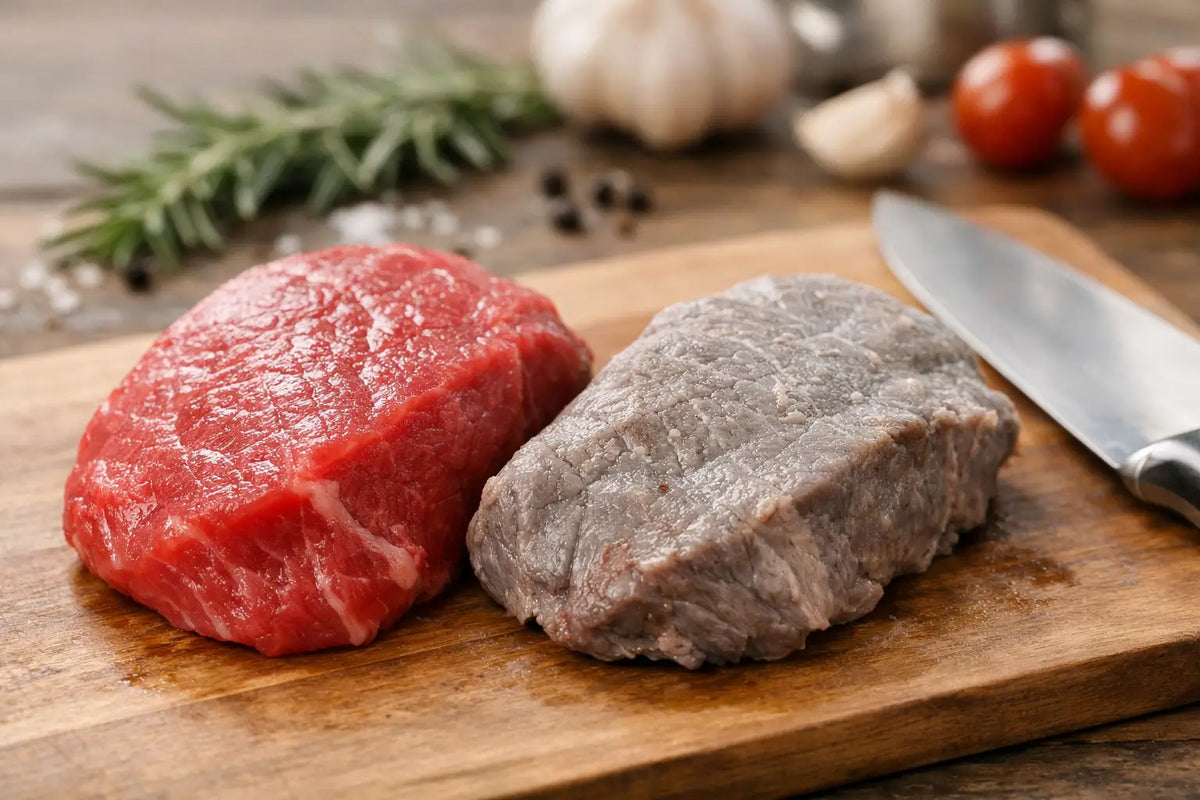
If you have ever opened a pack at home and wondered whether the colour looks quite right, you are not alone. For fresh meat Grays shoppers bring into the kitchen each week, colour is often the first thing people judge - but it is not the whole story, and sometimes it can mislead.
That matters because good meat is not just about appearance on the shelf. It is about how it has been cut, handled, stored and delivered from the moment it leaves the block to the moment it reaches your fridge. A proper butcher knows that freshness is a chain, not a sticker.
What people mean by fresh meat Grays
When people search for fresh meat Grays, they are usually looking for one of two things. Either they want quality meat in Grays from a butcher they can trust, or they are trying to work out whether meat that has turned slightly grey is still fine to cook.
Those are two very different questions, but they meet in the same place - confidence. Families want to know what they are buying. They want meat that looks right, smells right and cooks properly, whether it is mince for a midweek tea, chicken for meal prep or a roasting joint for Sunday.
Why fresh meat can turn grey
Greying is not always a sign that meat has gone off. Freshly cut meat is exposed to oxygen, which gives it that bright red colour many people expect from beef and lamb. Over time, as oxygen levels change, the surface can darken or turn greyish-brown.
This is especially common with mince, diced beef and steaks that have been tightly packed or stacked. The inside of mince, for example, often looks darker than the outside simply because less oxygen has reached it. That alone does not mean the meat is spoiled.
The same applies to some vacuum-packed cuts. Once opened, the colour may bloom and brighten as air reaches the surface. It can look a little dull at first, then improve within a short time. That is normal.
Colour matters, but it is not the only sign
A lot of shoppers have been taught that red means fresh and grey means bad. Real life is a bit more complicated. Colour can tell you something, but you should also pay attention to smell, texture and storage time.
Fresh meat should smell clean and natural, never sour or unpleasant. The texture should be firm rather than sticky or slimy. If a cut feels tacky and gives off a strong odour, that is a far clearer warning sign than a bit of grey on the surface.
It also depends on the type of meat. Beef can darken with age and air exposure while still being perfectly good. Lamb may deepen in colour. Pork tends to be pale pink, but can look duller in certain lighting or packaging. Chicken should not look grey and should always be checked carefully for smell and texture as well as use-by date.
What proper handling does for freshness
At a traditional butcher, freshness is protected long before the customer sees the meat. Good temperature control, clean preparation areas and careful rotation make a real difference. So does cutting to order, rather than leaving products sitting around longer than they should.
That is where there is a clear gap between proper butcher standards and mass handling. When meat is prepared daily, stored correctly and moved in chilled conditions, it arrives in better shape and with a better eating quality. The look of the meat is part of that, but so is tenderness, shelf life at home and how well it cooks.
For households in places like Grays and the wider Essex area, dependable refrigerated delivery or collection from a trusted local butcher can be the difference between buying with confidence and taking a chance on whatever happens to be left in an open-fronted chiller.
How to judge fresh meat at home
The best approach is a sensible one. Start with the use-by date and how the meat has been stored on the journey home. If it has been kept chilled and used within the right time, a slight change in colour is usually not the first thing to worry about.
Take a close look when you open it. Beef that is bright red on the outside but darker in the middle can be perfectly normal. A steak that looks a bit dull after being wrapped tightly can freshen in colour once exposed to air. Mince often shows both lighter and darker tones in the same pack.
If the smell is fresh and the texture is right, the meat is often fine to cook. If the odour is sour, the surface is slimy or the packaging is blown, do not risk it. That is not being fussy - it is common sense.
Fresh meat Grays families can rely on
For most people, the issue is not just whether meat has gone grey. It is whether they can trust the supply in the first place. Buying from a butcher who prepares meat properly removes a lot of the guesswork.
You get expert trimming, sensible portioning and advice that matches how you actually cook. If you need lean chicken for the week, a roasting joint for Sunday, or a freezer-filling tray for the family, it helps to buy from people who know the product and stand by it.
That trust is built through consistency. One good purchase is welcome. Regularly good meat, fair pricing and reliable service are what keep people coming back.
Why packaging changes appearance
Packaging has a bigger effect on colour than many shoppers realise. Vacuum packing removes oxygen, which can make beef appear darker or slightly purplish until opened. Overwrapped trays allow more oxygen through, which keeps the surface bright red for longer, but that does not automatically make the meat fresher.
In other words, a brighter pack is not always the better pack. It may simply be using packaging that favours appearance. A darker cut that has been properly chilled and packed can still be in excellent condition.
This is one reason knowledgeable advice matters. If you only judge by colour, you can end up throwing away perfectly good meat or choosing a pack for the wrong reason.
Storage makes all the difference
Even top-quality meat will not stay fresh if it is not stored properly at home. Get it into the fridge as soon as possible and keep it cold, ideally on the lower shelves where the temperature is more stable. If you are not using it within the recommended time, freeze it promptly.
Mince and poultry are the most time-sensitive, so they should be used sooner rather than later. Larger joints and whole cuts may keep a little better, but they still need careful storage. If you are planning meals for the week, buying with a clear plan always beats leaving good meat sitting in the fridge and hoping for the best.
That is also where butcher-prepared packs can be useful. Buying in sensible quantities, with cuts chosen for specific meals, helps reduce waste and makes freshness easier to manage.
A note on cooking quality
Freshness affects more than safety. It also affects the end result on the plate. Meat that has been handled well cooks more evenly, keeps better texture and gives you the flavour you paid for.
A steak should sear properly, not stew in excess moisture. A roasting joint should carve cleanly. Good sausages should hold their shape and stay juicy. Those details come from quality meat and proper preparation, not clever packaging.
There is a value point here too. Cheap meat that leaks, shrinks heavily or cooks without much flavour is not always a bargain. Better meat, prepared properly, often gives more satisfaction meal after meal.
When to ask your butcher
If you are unsure about colour changes, ask. A proper butcher would always rather explain the difference between normal greying and genuine spoilage than have a customer worrying at home.
That sort of advice is part of the service. It helps if you are buying for a family, planning a barbecue, filling the freezer or trying to stay on track with lean protein meals. Different cuts behave differently, and a quick conversation can save money as well as confusion.
At Reed's Family Butchers, that practical guidance is part of the job. People want straight answers, good meat and service they can rely on, and rightly so.
Freshness is not about chasing the brightest shade of red. It is about knowing your meat has been prepared with care, kept properly chilled and sold by people who know exactly what good looks like.

Share:
Butcher Sausages: What Makes Them Better?
A Guide to Roasting Beef Joints Properly