One of the easiest ways to make weeknight meals less of a scramble is to buy smarter at the start of the week or month. That is where this guide to butcher meat packs comes in. A well-chosen pack saves time, helps with budgeting and usually gives you a better mix of cuts than grabbing bits here and there from a supermarket shelf.
The trouble is, not every meat pack suits every household. A family of five cooking proper dinners most nights needs something very different from a couple topping up the freezer, a gym-goer focused on lean protein or someone planning a Saturday BBQ. The best value is not always the biggest box. It is the one that matches how you actually eat.
What butcher meat packs are really for
At their best, butcher meat packs take the guesswork out of buying. Instead of standing at the counter wondering how much mince, chicken or sausages you need, you get a balanced selection that has already been put together with real meals in mind.
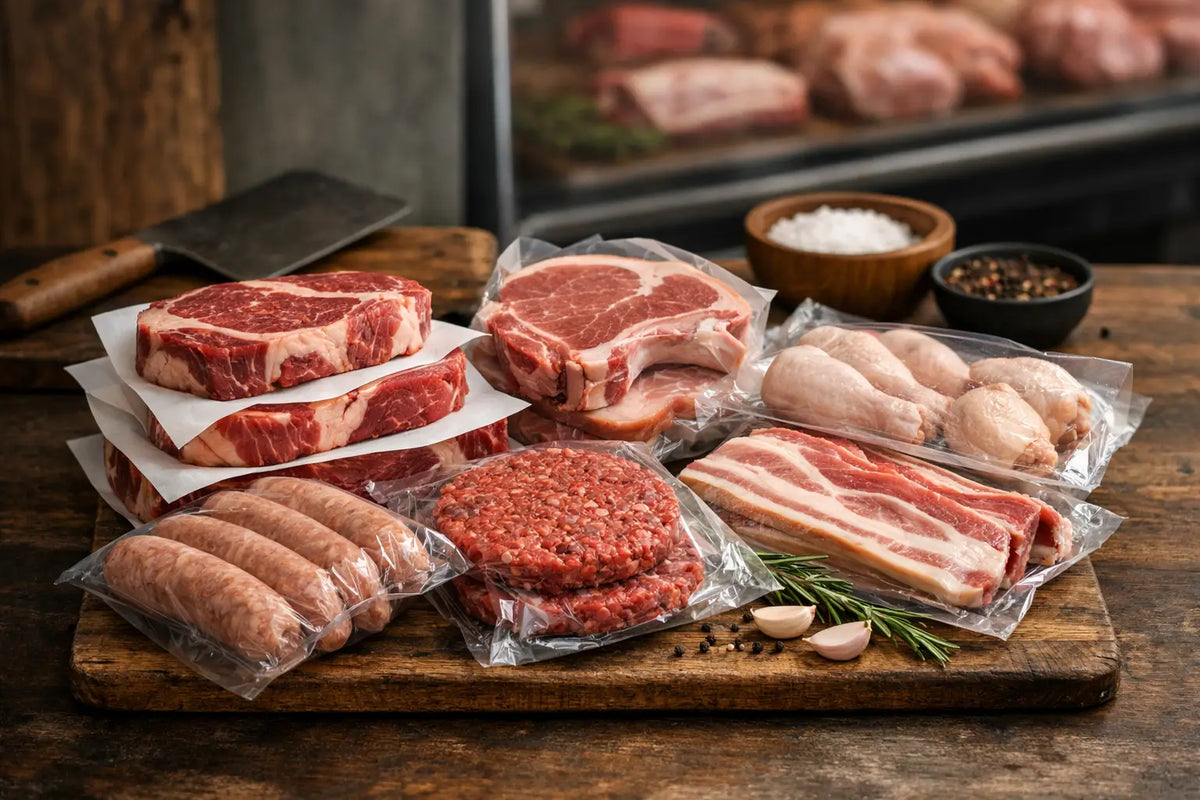
That matters because a proper butcher pack is not just about quantity. It is about usefulness. You want cuts that earn their place in the fridge or freezer - mince for pasta or cottage pie, chicken fillets for quick midweek meals, sausages for an easy tea, perhaps a roasting joint for Sunday. A good pack should help you cook several different meals without making you feel you are eating the same thing over and over.
There is also a quality point here. Meat packs from a butcher are usually hand-prepared, packed fresh and built around cuts people actually buy again and again. You are not dealing with a one-size-fits-all system designed for a warehouse. You are buying from people who know what makes a practical family order.
A guide to butcher meat packs by household type
The right pack depends on who you are feeding and how often you cook. Start there, and the choice becomes much easier.
If you are shopping for a family, look for packs built around flexibility. Mince, diced chicken, sausages, bacon and a roasting joint give you plenty to work with across the week. These packs tend to offer the best all-round value because they cover breakfasts, packed lunches and evening meals without too much planning.
If you are buying for one or two people, larger is not always better. It can be tempting to go for the biggest deal, but that only works if you have the freezer space and the habit of portioning properly. Smaller mixed packs often make more sense because you avoid waste and still get variety.
For gym-focused shoppers, the best option is usually a leaner pack centred on chicken fillets, turkey, lean mince or lower-fat cuts. The main thing is consistency. You want protein that is easy to portion, simple to batch-cook and good enough in quality that you do not get bored of eating it.
For BBQ season, a meat pack should feel ready for the grill rather than padded out with whatever is cheapest. Burgers, sausages, marinated chicken and perhaps ribs or steaks make sense. A decent BBQ pack should also reflect the number of people you are feeding. Too small and you are back to last-minute shopping. Too large and you are staring at leftovers that were only ever going to be good hot off the barbecue.
How to judge value properly
People often compare meat packs by price first, which is fair enough, but price alone does not tell you much. A cheaper pack is not better value if half of it is made up of cuts you would not normally choose.
Look at three things together - total weight, the quality of the cuts and how many real meals the pack will give you. A pack that costs a bit more but covers six or seven proper dinners can be the better buy. The same goes for packs that include hand-prepared joints, better sausages or neatly trimmed chicken. You are paying for preparation and consistency as well as the meat itself.
It is also worth thinking about what you would spend replacing those items individually. Families often find that a butcher pack keeps them out of the shops for top-up purchases, and that is where savings start to add up. Fewer impulse buys, fewer emergency ready meals, fewer nights wondering what is for tea.
What should be in a good butcher meat pack?
A good pack usually balances everyday staples with one or two cuts that feel a bit more special. You want the practical backbone first - mince, chicken, sausages, bacon, perhaps pork chops or diced beef. Then it helps to have something with a weekend feel, such as a roasting joint or steaks.
The mix should also be realistic for British home cooking. Meat for spag bol, chilli, fajitas, trays of sausages and mash, roast dinners and slow-cooked dishes tends to be far more useful than a pack full of novelty. Most households want reliable ingredients they can build around.
There is a trade-off, though. The more specialised the pack, the less flexible it can be. A lean protein pack is excellent if that is how you eat, but it may not suit the whole family. A BBQ pack is brilliant for summer weekends but less useful for normal meal planning. General family packs often give the broadest value, while specialist packs solve a specific need very well.
Fresh or frozen? Plan before you buy
One reason butcher meat packs work so well is that they suit both immediate cooking and freezer storage. But it pays to have a rough plan before the order arrives.
If you know what you are cooking in the next two or three days, keep those portions in the fridge and freeze the rest straight away. If you are stocking up for the month, portioning matters. Divide larger packs into meal-sized amounts, label them clearly and freeze them flat where possible. It sounds simple, because it is, but it makes a big difference on busy evenings.
Space matters too. If your freezer is already packed with bits and pieces, a large meat pack may create more stress than convenience. In that case, a smaller mixed selection bought more regularly can work better. There is no prize for buying more than you can store properly.
Why buying from a local butcher changes the experience
A proper butcher offers something supermarkets struggle to match - judgement. That means packs are usually built around what people genuinely cook, with fresh preparation and a clearer sense of quality control.
It also means there is room for practical help. If you need a pack for family meals, easy batch cooking, a bank holiday barbecue or lean eating, a local butcher will usually have a better feel for what suits than a generic online product listing. That is especially useful if you are between pack sizes or shopping for an occasion rather than your usual weekly routine.
For households across Essex, that local service matters. Freshly prepared meat, dependable refrigerated delivery and the option to buy from a family butcher with proper standards behind the counter can make regular shopping much simpler. Reed’s Family Butchers has built that reputation by combining old-school quality with the convenience people actually need.
Common mistakes when choosing butcher meat packs
The biggest mistake is buying on size alone. Bigger packs can offer excellent value, but only if the contents fit your cooking habits. Otherwise, the savings are only on paper.
The second mistake is ignoring variety. If a pack gives you ten versions of the same meal, it will feel repetitive fast. Look for a mix that supports different styles of cooking across the week.
The third is forgetting the occasion. A family freezer pack, a lean protein pack and a BBQ pack all do different jobs. If you buy the wrong type, it can feel disappointing even when the meat itself is spot on.
How to choose the right pack with confidence
The simplest approach is to work backwards from your next ten meals. Think about what your household genuinely eats, how much freezer space you have and whether you need flexibility or something more specialised.
If you want everyday value, go for a mixed family pack. If your focus is meal prep, choose lean and easy-to-portion cuts. If summer entertaining is on the cards, pick a pack designed for the grill. And if you are not sure, start with a modest mixed pack and see what gets used first. Your own kitchen habits will tell you more than any sales label ever could.
A good butcher meat pack should make life easier the moment it lands on your doorstep or kitchen counter. When it does that - when it takes pressure off dinner, stretches the budget sensibly and gives you meat you are actually pleased to cook - you know you have chosen well.

Share:
How to Store Fresh Meat Properly
Why Choose a Butcher in Corringham?