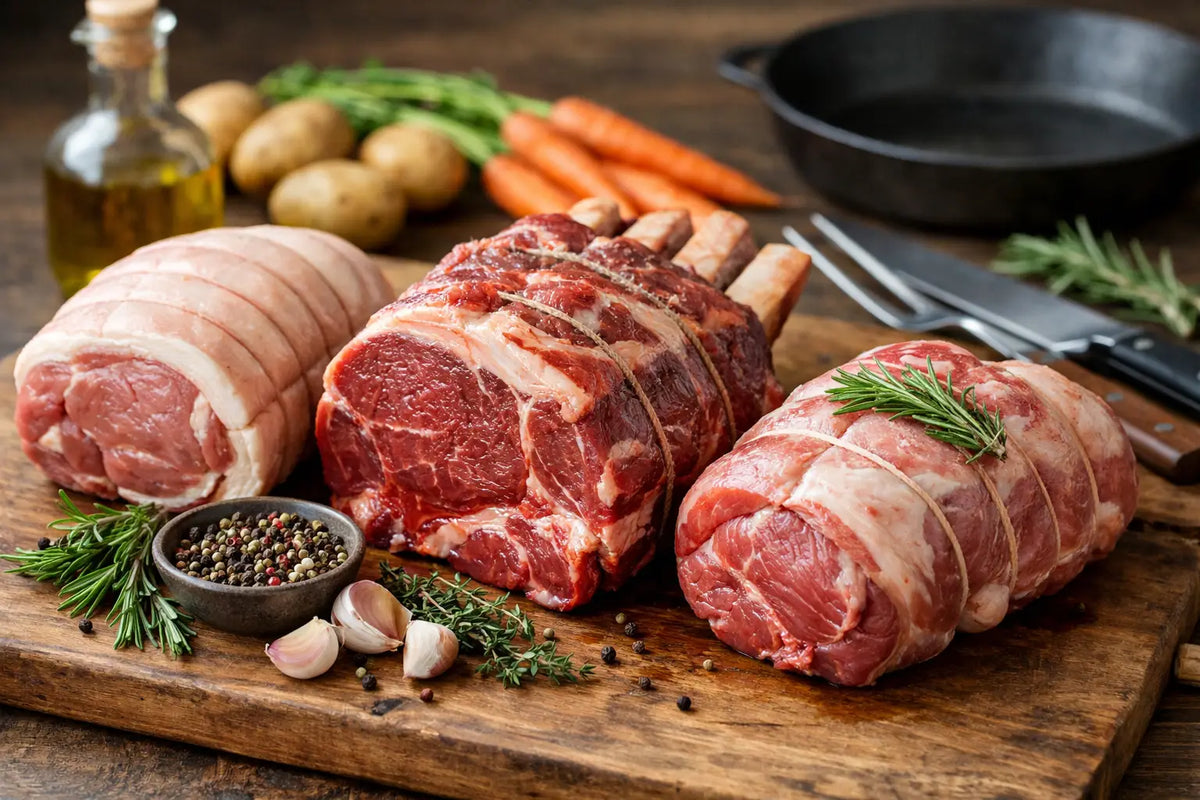
Sunday lunch can go one of two ways. You either carry a beautiful joint to the table with crisp edges and proper flavour, or you spend good money on a cut that turns out dry, chewy or simply too small for the crowd. If you have ever wondered how to choose roasting joint options without second-guessing yourself at the counter, the good news is that it is much simpler once you know what to look for.
A good roasting joint is not just about buying the most expensive cut. It is about matching the meat to the occasion, the number of people you are feeding, and the way you like your roast to eat. Some families want lean, tidy slices. Others want rich flavour, plenty of juices and leftovers for sandwiches the next day. A proper butcher will always guide you, but it helps to know the basics before you buy.
How to choose a roasting joint for the meal you want
The first thing to think about is the result on the plate. Different joints behave differently in the oven, even within the same animal. That is why the best cut for a smart roast beef supper may not be the best one for a slower Sunday lunch with plenty of gravy.
If you want beef with neat slices and a more refined feel, a topside or silverside joint is often a sensible choice. These cuts are leaner and carve well, which suits family meals where you want everyone served evenly. The trade-off is that leaner beef can dry out if overcooked, so timing matters.
If flavour is your top priority, rib or sirloin usually gives you more richness thanks to the marbling and outer fat. These joints cost more, but many people feel the extra depth of flavour is worth it, especially for a special occasion.
With lamb, a leg joint gives you a classic roast with generous slices and a familiar look on the table. A shoulder joint tends to have more fat and connective tissue, which means more flavour and a softer result when cooked longer. If you like lamb that almost falls apart, shoulder is often the better bet.
For pork, loin is the tidier option, while shoulder gives you a juicier, fuller-flavoured roast. Crackling lovers usually pay close attention here, because not every pork joint gives the same result. A good layer of skin and fat makes all the difference.
Size matters more than most people think
One of the most common mistakes when learning how to choose a roasting joint is buying by eye alone. A joint can look impressive in the tray and still not feed as many people as you expect, especially once bone, fat trim or shrinkage are taken into account.
As a rough guide, boneless joints are easier to portion because more of the weight is edible meat. Bone-in joints often give better flavour, but some of the weight is not going on the plate. That does not make them a worse choice, just a different one.
For most family roasts, it is sensible to allow a little extra rather than cutting it fine. Leftovers are rarely a problem. Cold roast meat can turn into sandwiches, wraps, salads or an easy meal the next day. Running short at the table is harder to fix.
If you are feeding children as well as adults, or you know some guests eat lightly, your butcher can help judge the right size. That is one of the real advantages of buying from a proper local counter rather than picking a standard pack and hoping for the best.
Fat, marbling and why lean is not always better
People often ask for the leanest joint, assuming that means best quality. In reality, fat is part of what keeps a roasting joint moist and flavourful. The trick is choosing the right amount for the way you like to cook and eat.
A thin outer fat covering helps protect the meat in the oven. Marbling, which is the fine fat running through the meat, adds flavour and tenderness. This is particularly noticeable with beef. A very lean joint can still be excellent, but it gives you less room for error. Leave it in too long and it can quickly lose its best qualities.
That said, it depends on your preferences. Some households want a leaner joint for everyday eating, and that is perfectly reasonable. Others are happy to trade a little trimming for better flavour. Neither is wrong. The key is to buy with purpose, not just habit.
Bone-in or boneless?
This comes down to convenience versus character. Boneless joints are straightforward to carve, easy to store and simple to portion. They suit busy households and anyone who wants less fuss on serving day.
Bone-in joints often bring more flavour and can look more impressive, especially for a festive meal or larger gathering. The bone can also help the meat cook more gently. On the other hand, carving takes a bit more confidence, and working out portions is less exact.
If you are hosting and want things stress-free, boneless is often the safer choice. If you enjoy the theatre of a traditional roast and do not mind a little extra work, bone-in can be well worth it.
Choosing by cooking time and confidence level
Not every home cook wants the same level of involvement. Some people are happy checking internal temperature, resting times and oven adjustments. Others want a joint they can season, roast and serve without too much worry.
That matters when deciding how to choose a roasting joint. Beef fillet, for instance, is tender and elegant but less forgiving on price and not necessarily the most flavourful roast for a family table. Topside is more accessible but needs care not to overcook. Pork shoulder is forgiving and rewarding, but it does better with time. Lamb shoulder is similarly relaxed if you are happy with a slower roast.
So ask yourself a simple question. Do you want quick and tidy, or slow and generous? There is no point buying a cut that asks for precise handling if you need something dependable on a busy Sunday.
How to choose a roasting joint by meat type
Beef is the usual choice when you want proper slices and a centrepiece feel. Topside and silverside are dependable family favourites, while rib and sirloin step things up for a richer roast.
Lamb works well if you want bold flavour. Leg of lamb gives you a traditional roast with clean carving, while shoulder offers a softer, deeper result that suits long cooking.
Pork is hard to beat for value and comfort. Loin suits those who like neater slices, while shoulder brings more moisture and flavour. If crackling matters, ask for a joint with good rind and fat coverage.
Turkey is often kept for Christmas, but it can be a strong option for larger family meals when you want something leaner. Just remember that breast meat needs careful cooking to stay juicy.
What to ask your butcher
A good butcher will not expect you to know every cut. In fact, the best way to get the right joint is often to explain the meal you are planning rather than asking for a cut by name.
Say how many people you are feeding, whether you want leftovers, how confident you are in the kitchen, and whether you prefer lean meat or fuller flavour. Mention if the roast is for an ordinary Sunday or a special occasion. Those details make it far easier to recommend the right joint.
At Reed's Family Butchers, that kind of conversation is part of the service. It is the difference between simply buying meat and buying the right meat.
A few signs you are choosing well
A good roasting joint should look fresh, well prepared and evenly shaped. That even shape matters because it helps the meat cook consistently. You do not want one thin end overdone while the middle is still catching up.
The fat should look clean and well kept, not ragged or excessive unless the cut naturally carries more. With pork, the skin should be in good condition if crackling is part of the plan. With beef and lamb, a nice finish and proper trimming usually tell you the joint has been prepared with care.
Price should also make sense for the cut. Some joints are naturally premium, others are better-value workhorses. Paying more is not automatically better if the cheaper cut suits the meal more closely.
The best roasting joint is the one that fits your table, your budget and your way of cooking. Start there, ask a few sensible questions, and you will usually end up with a roast worth looking forward to.

Share:
How to Cook Pork Belly Properly
How to Store Fresh Meat Properly